Letter From The President
March 19, 2026
The holidays came early on December 23rd, when the Trump administration sanctioned five senior European officials who play central roles in the Censorship Industrial Complex.
These individuals were not random targets. They are actors CW has documented operating within a system designed to insulate censorship from democratic accountability.
And in February, in a House hearing on European censorship affecting the U.S., Congress discussed stripping sovereign immunity of EU censorship officials, prohibiting social media from enforcing censorship orders, and enabling private lawsuits against foreign entities.
These decisive actions by the U.S. government propel forward the initiative we’ve been leading: showing that the goal of the European Commission, like that of the governments of Britain, Brazil, and Australia, is to censor the American people.
And there is still much work to do.
The DSA in Action: My Trip to Europe
On December 5th, the European Commission fined Elon Musk’s X €140 million for, it says, breaking laws requiring social media transparency. This significant escalation is the first penalty under the EU’s Digital Services Act.
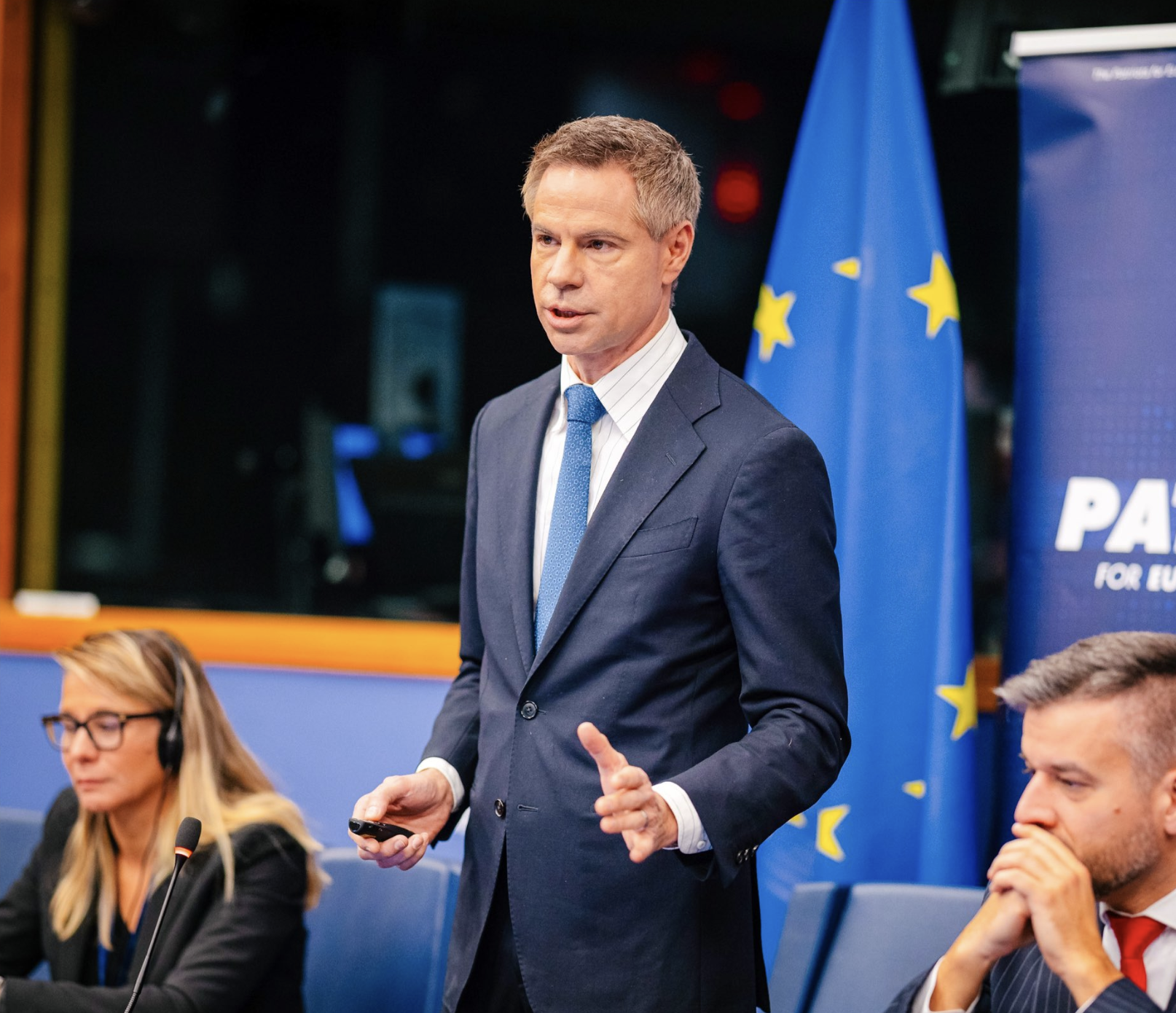
Twelve days later, I was in France speaking before members of the European Parliament.
I didn't mince words: Ursula von der Leyen, Emmanuel Macron, and Friedrich Merz aren't protecting Europe—they're threatening it with totalitarian speech policies.

I spoke with Parliament and the French media, and citizens are beginning to grasp what our investigations have revealed. CW’s recently released investigation, in partnership with French allies, reveals how France’s leadership pioneered the model of the Censorship Industrial Complex.
I spoke with Parliament on:
Stanford Cyber Policy Center’s Secret Meeting: In October, Public discovered Stanford Cyber Policy Center hosted a secret meeting with officials from the EU, UK, Brazil, and Australia to continue coordinating global censorship, including of Americans.
Brazil's Judicial Dictatorship: Justice Alexandre de Moraes was Magnitsky-sanctioned in July for judicial censorship, and quietly un-sanctioned in December—even as a criminal complaint filed directly with him against our journalist partners David Ágape and Eli Vieira sat for months before finally being dismissed in January, apparently in retaliation for their reporting in the January 8th Files.
Censorship of U.S. Tech Companies: Free speech allies worldwide are raising the alarm about the apparent effort by Europe, Brazil, and other nations to force U.S. tech companies to engage in further censorship of speech that is legally protected in the U.S.
And much more.
Many people, including policymakers and citizens in Europe, still do not realize that this system is continuing to operate. That is why I went to Europe to testify and map out the complex. And that is why we are making The Censorship Files documentary: to present the first full documented account of the Twitter Files.
More on this groundbreaking documentary in our last newsletter, and more to come, including exclusive previews.
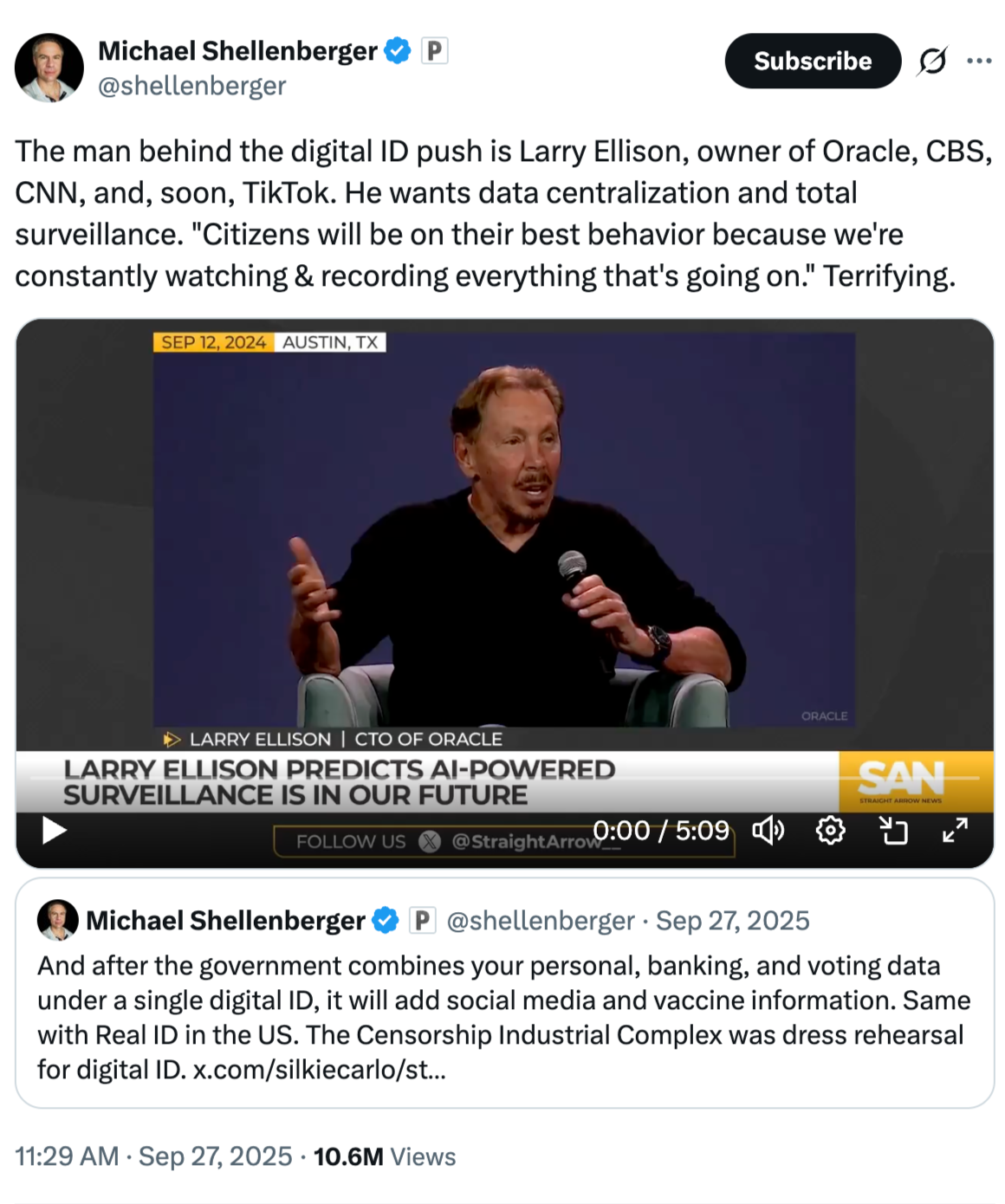
This account is not simply a retrospective; the CIC’s architecture is expanding into new domains. My recent X post on Digital ID, one of the next steps in legalizing data centralization and total surveillance, received more views than my original Twitter Files post, underscoring that public concern is shifting toward what comes next.
Other Program Updates
Energy and Environment
The debate over how industrial offshore wind development affects endangered wildlife has intensified as new scientific work begins to challenge long-standing federal assumptions about the scale and duration of environmental impacts.
For years, Civilization Works (CW) and the Save Right Whales Coalition have documented how offshore wind approvals advanced through compressed and fragmented environmental reviews that treated impacts to marine species as temporary, localized, and largely confined to construction activity.
In January, Tyler MacAllister—a commercial fisherman and conservation researcher working with regional marine science partners and conducting environmental DNA (eDNA) sampling in Southern New England—reported findings that raise serious questions about those assumptions. This work suggests that marine life does not merely decline during offshore wind construction but may largely disappear once turbines are energized and operating.
This research is new and has not yet been broadly published or incorporated into federal environmental reviews. It is, however, exactly the kind of site-specific, post-construction evidence that has been missing from offshore wind impact assessments to date.
CW is closely tracking this work as it develops. Whether federal agencies ultimately engage with this evidence remains an open question—but its implications for endangered species protection and offshore permitting cannot be ignored.
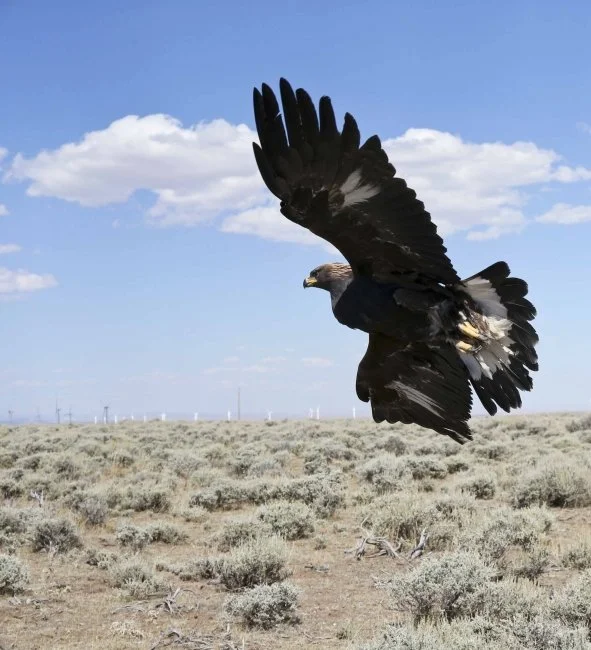
On land, CW has been working with the Albany County Conservancy and other partners in Wyoming to raise awareness about the impacts of wind energy development on golden eagles. In the period from between 2023 and the first half of 2025, project developers identified more than 2,500 new wind turbine sites across thirteen separate projects.
Michael Lockhart, a former U.S. Fish and Wildlife Service biologist who has satellite-tracked golden eagles in Wyoming since 2014, found that wind turbines account for 43.5% of all known human-caused deaths of tagged bald and golden eagles—exceeding vehicle collisions, shootings, and electrocutions combined. Overall, 82% of documented eagle deaths in his research were human-related.
These findings align with federal and academic studies spanning more than three decades, all of which demonstrate that existing mitigation strategies remain ineffective. Despite this well-documented record, turbine siting continues in high-risk eagle habitat. Two Wyoming wind projects have already been prosecuted for illegal bird kills, yet penalties are often treated as a routine cost of doing business rather than a deterrent.
In parallel, CW’s Energy and Environment Director, Lisa Linowes, authored a white paper demonstrating that state-mandated climate programs — not energy scarcity — are the primary drivers of soaring electricity bills. This research is now being used as a model for evaluating electricity pricing in other regions. A short explanatory video related to Massachusetts is available here.
Our work at CW continues. New evidence—whether in emerging environmental data or in the rising electricity costs borne by ratepayers—demands careful, independent evaluation. With your support, CW will continue pressing for rigorous science, lawful review, and policies that deliver genuine environmental benefits without imposing unjustified economic harm.
Gender
In November, the UK government approved an experiment to block the puberty of 100+ children to see if it improves their health. But a 2015-2017 study already found that it won’t. As we clearly stated in our WPATH report, it's unethical to experiment on children who cannot provide informed consent. The ethical and scientific concerns have now reached Parliament: five MPs formally wrote to the Prime Minister demanding the trial be stopped.
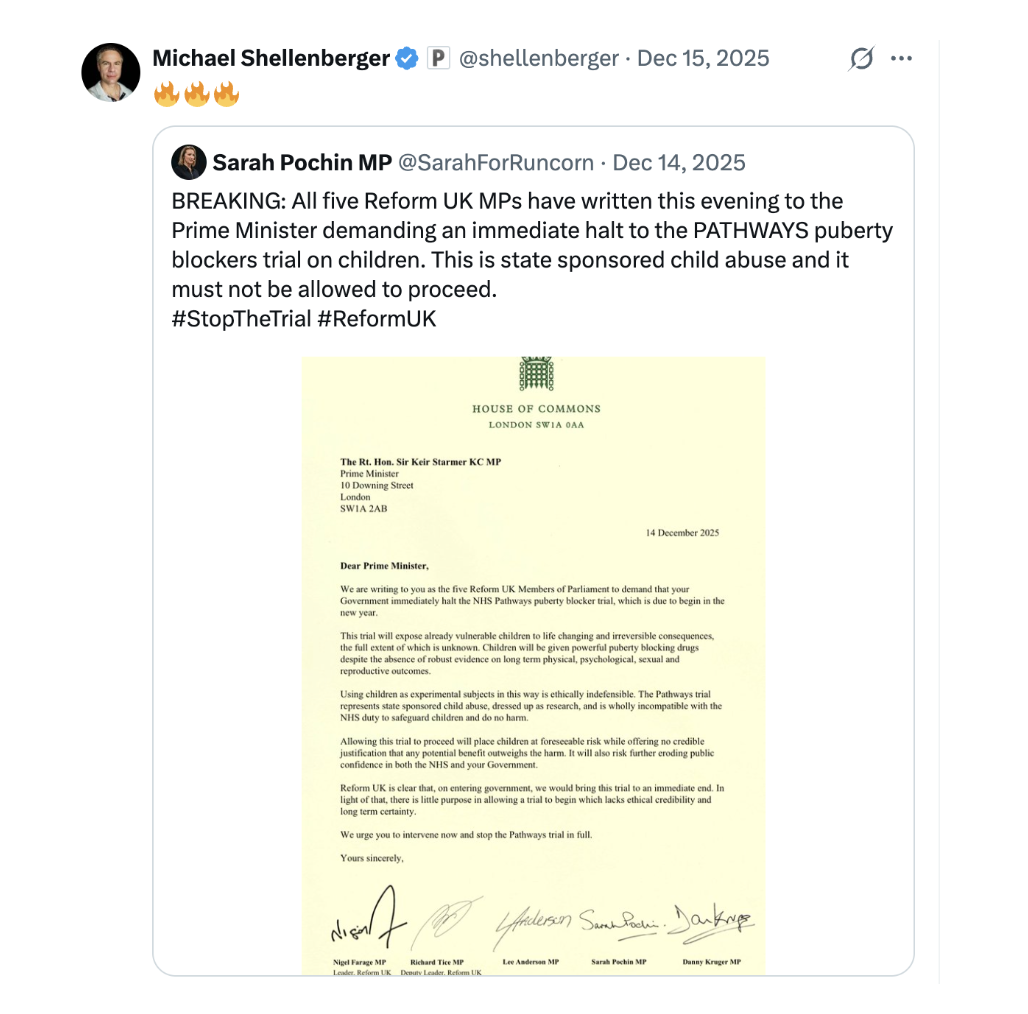
In 2026, we will continue to fight against this unethical medical abuse. Children cannot consent to lifelong sterility and loss of sexual function. CW is at the forefront of defending this basic ethical principle—and we cannot do it without your support.
Homelessness, Addiction and Crime
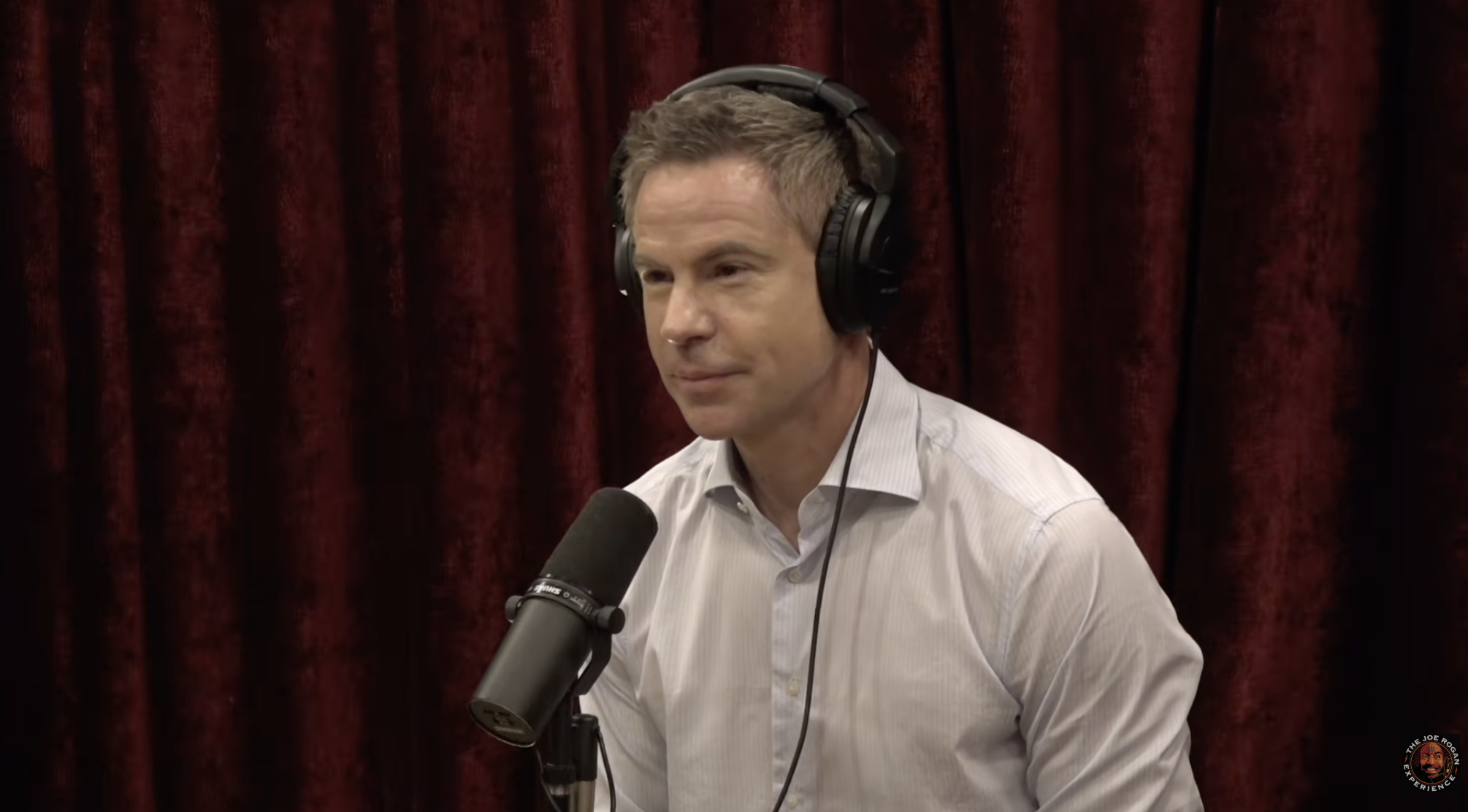
In March, I appeared on another Joe Rogan podcast to discuss a range of topics, including the ongoing homelessness and addiction crisis in the United States.
As the CBR Chair of Politics, Censorship, and Free Speech at the University of Austin (UATX), I’ve had the honor of teaching another quarter, where I’m teaching a course in journalism. In January, I took my students out to report firsthand on the ongoing patterns of this crisis.
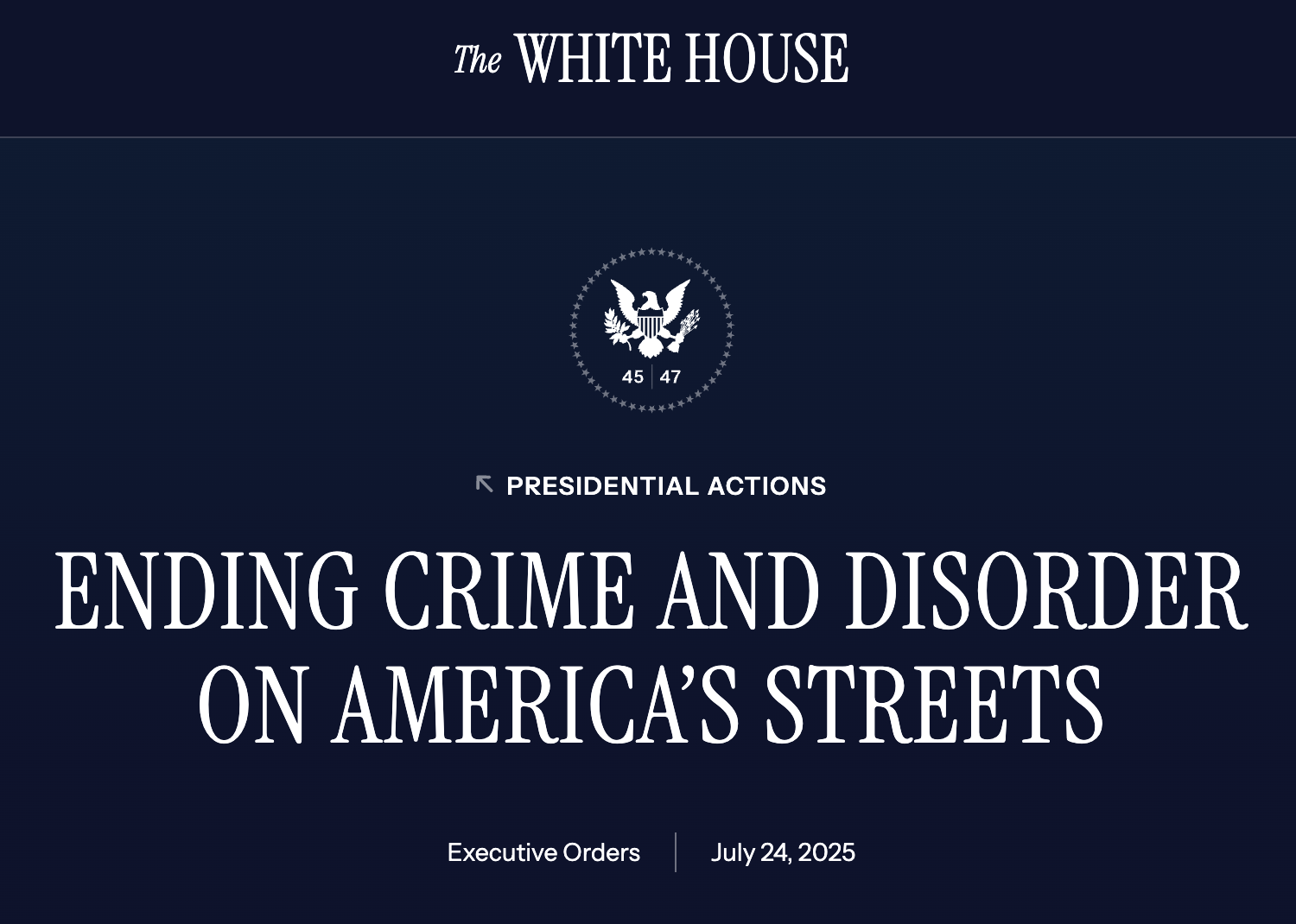
President Trump’s July 2025 executive order to end crime and disorder on America’s streets and his January 2026 order to address addiction through recovery were encouraging signs for us at CW, acting as a repudiation of the Housing First and harm reduction policies that have dominated the last three decades. But executive orders don't automatically reverse local implementation—especially when policies have been entrenched as "evidence-based.” In cities like San Francisco, homelessness is rising again, and open-air drug scenes have shifted rather than disappeared.
Much work remains. CW is conducting a major investigation into how, even as national policy shifts away from harm-reduction frameworks, many of the same practices continue. Our reporting on the spread of supervised consumption sites across the U.S. reveals systematic problems within federally funded research: surveys that exclude affected neighborhoods, undisclosed conflicts of interest, and research that serves advocacy rather than science. Stay tuned.
I want to thank each of you for your support in 2025 and your continued partnership in 2026. With your help, CW had an incredibly focused year of doing what we do best: defend the pillars of civilization. CW exists to solve what others ignore, and when our job is done, we move to the next civilizational threat. That approach shaped our work in 2025, and it is shaping what comes next. Join us.
Best,
Michael